About Our Company
Bangalore Mart Inc. – Comprehensive Waste Management Services
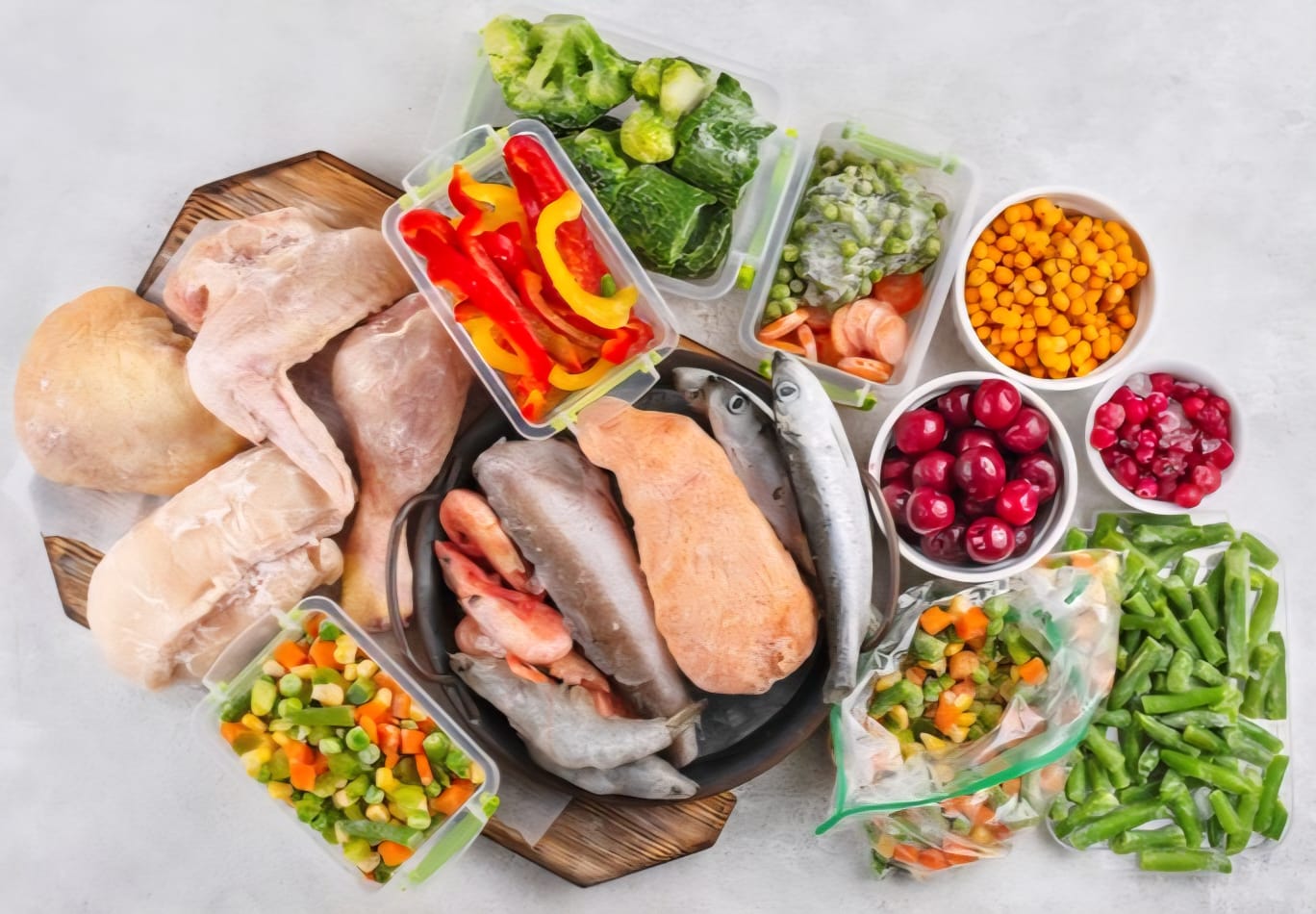
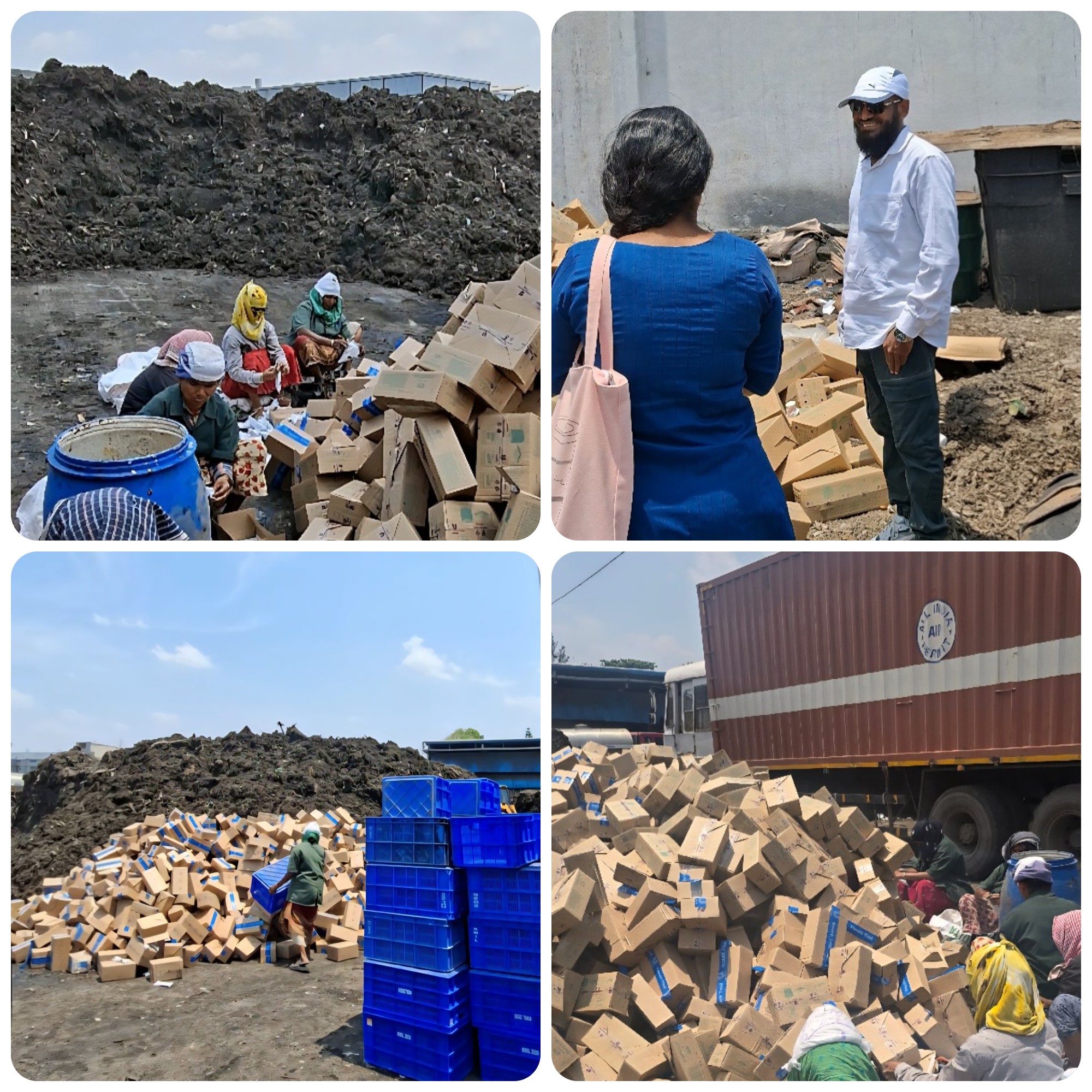
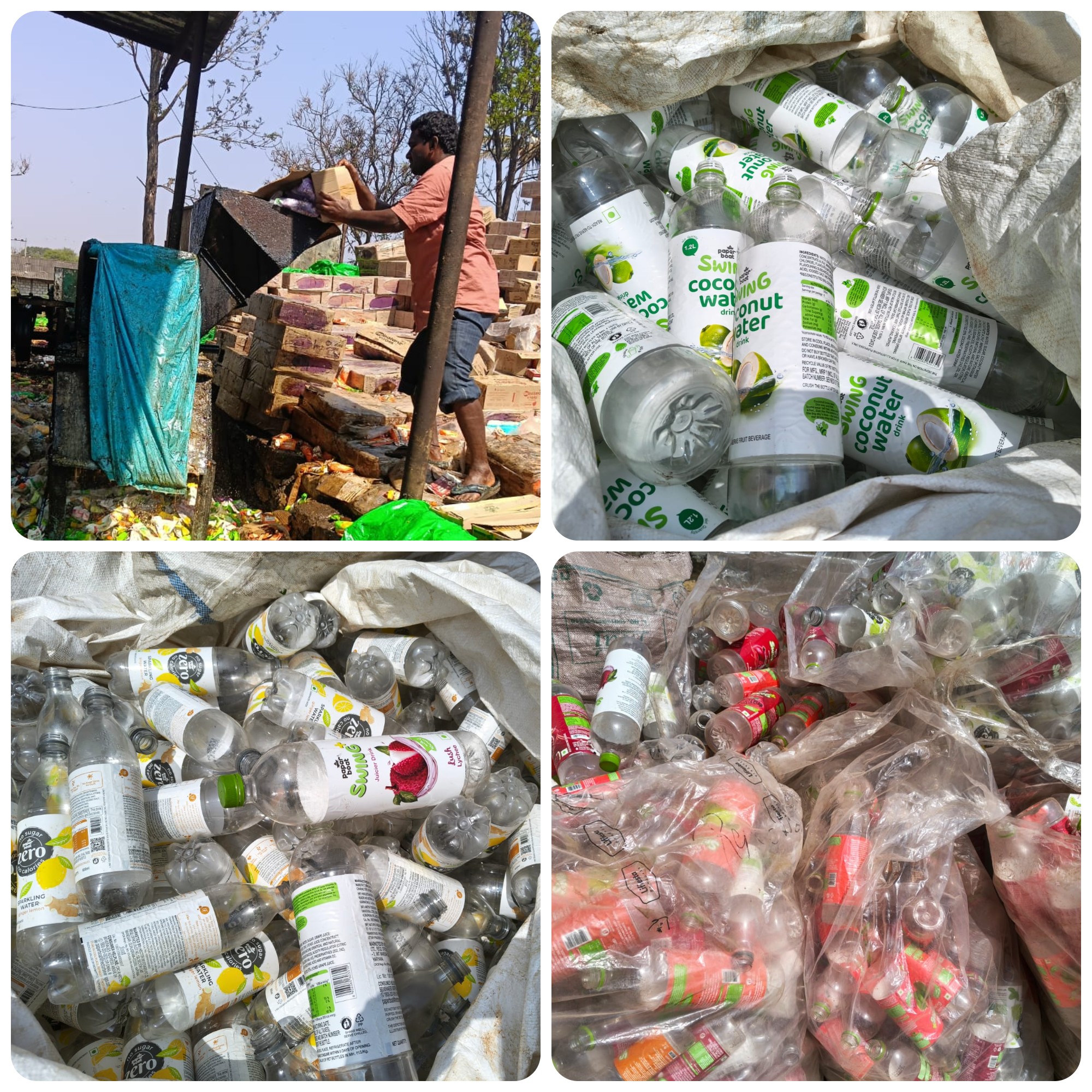
At Bangalore Mart Inc., we specialize in efficient waste management services tailored for corporate companies, manufacturing industries, frozen storage units, food processing sectors, and FMCG products. Our expertise covers both dry and wet waste handling, ensuring a sustainable approach to disposal and recycling.
Our Services Include
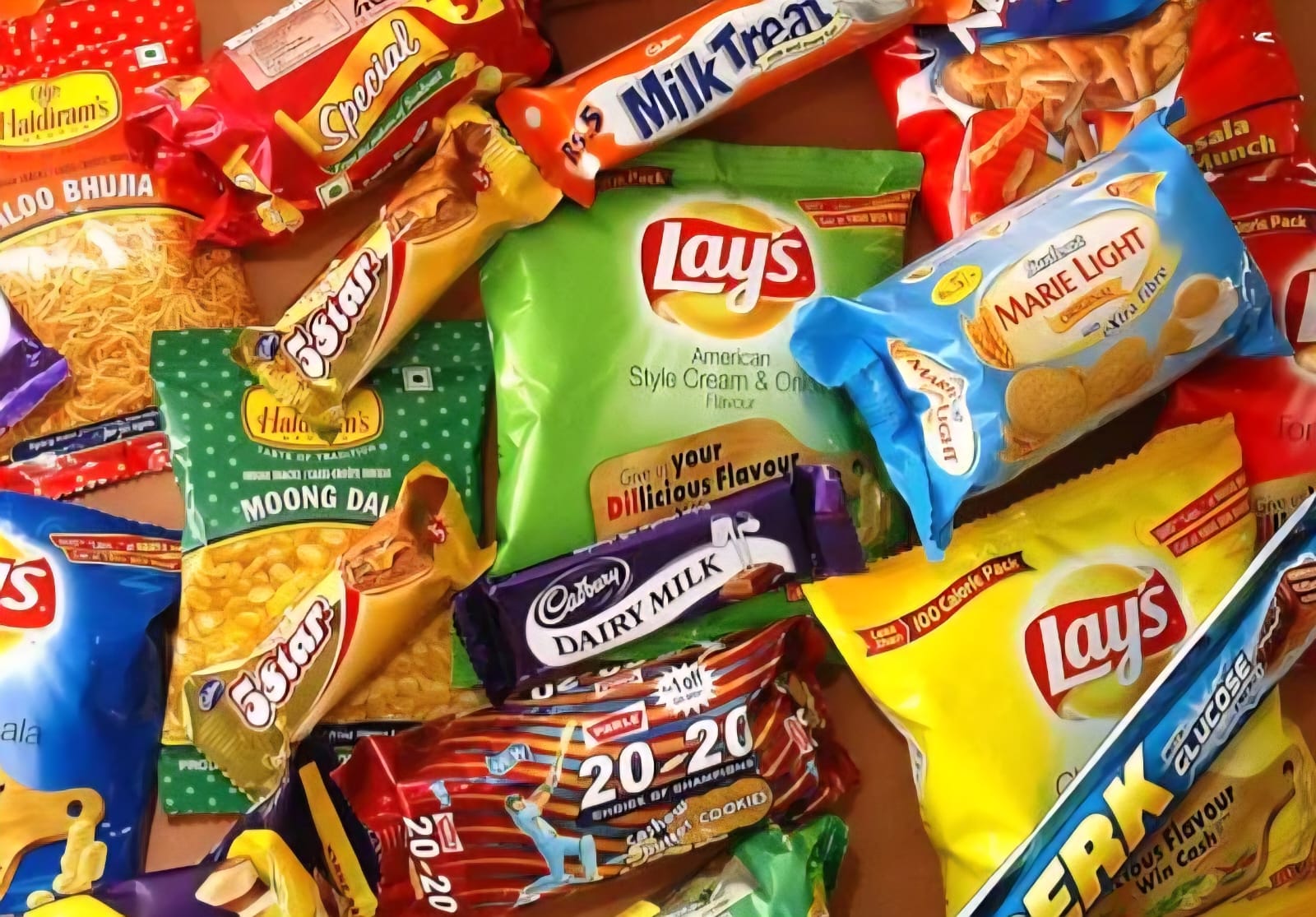
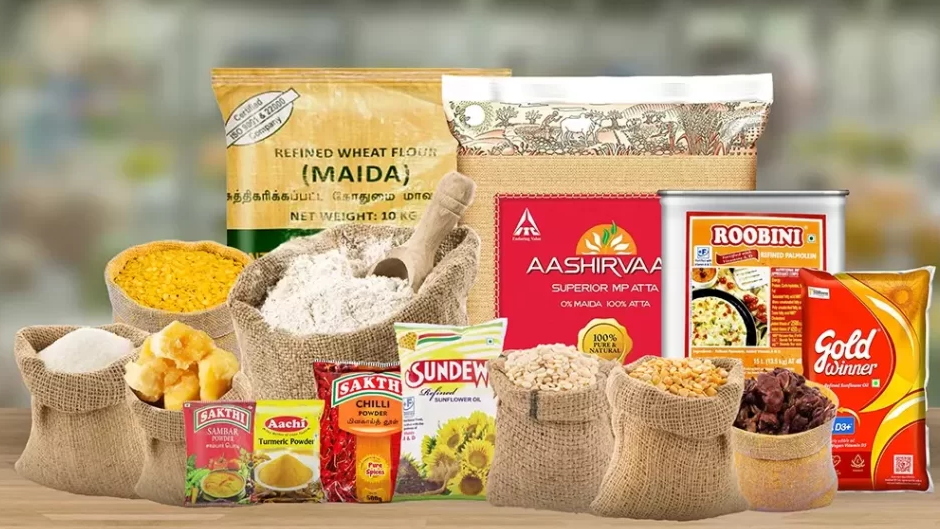
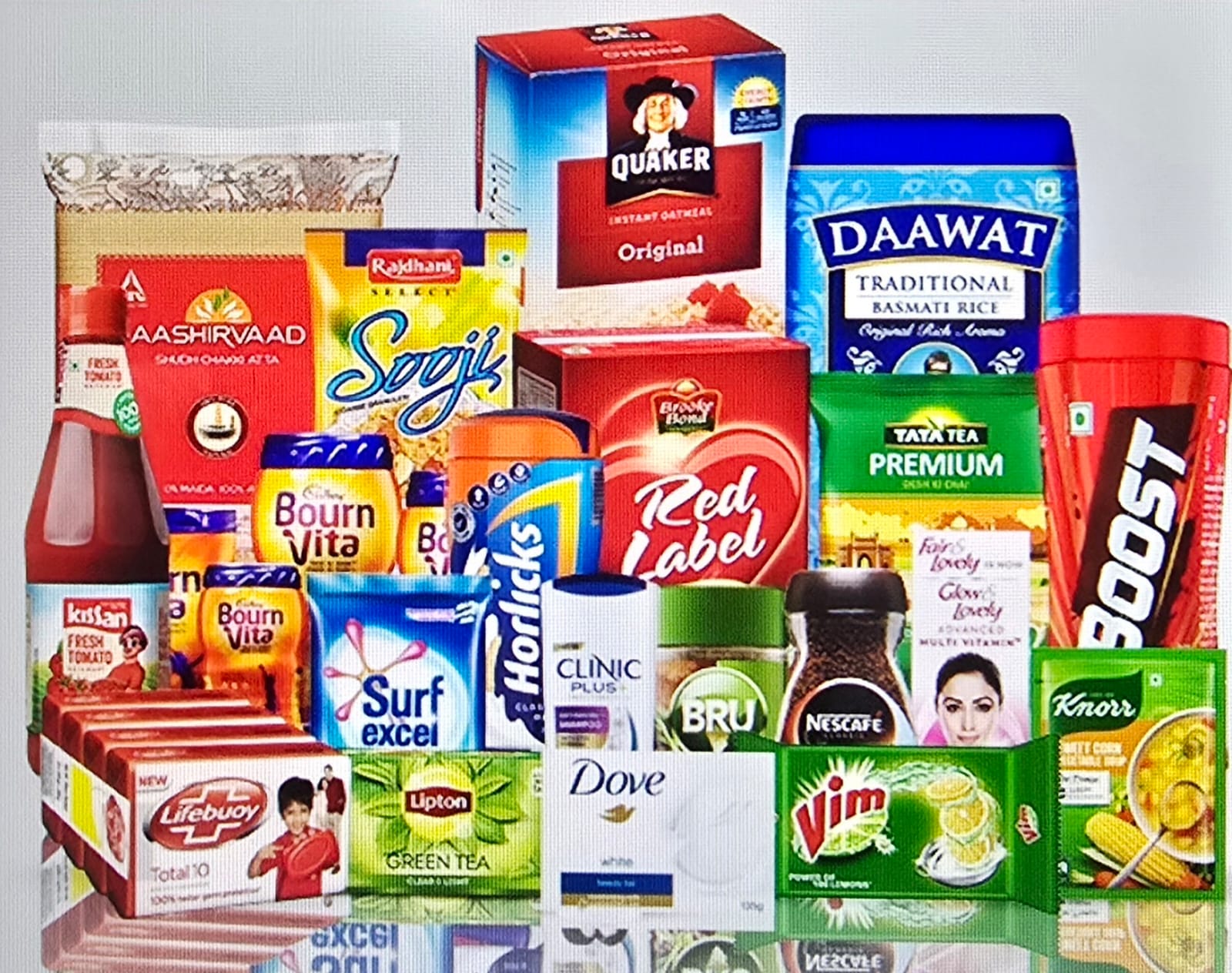
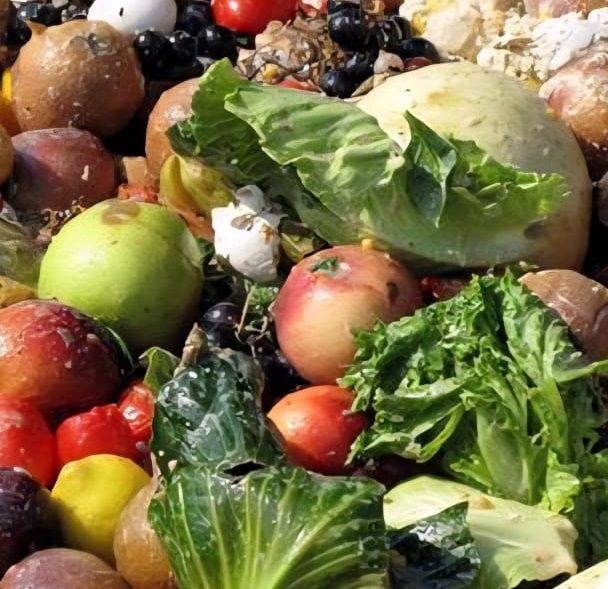
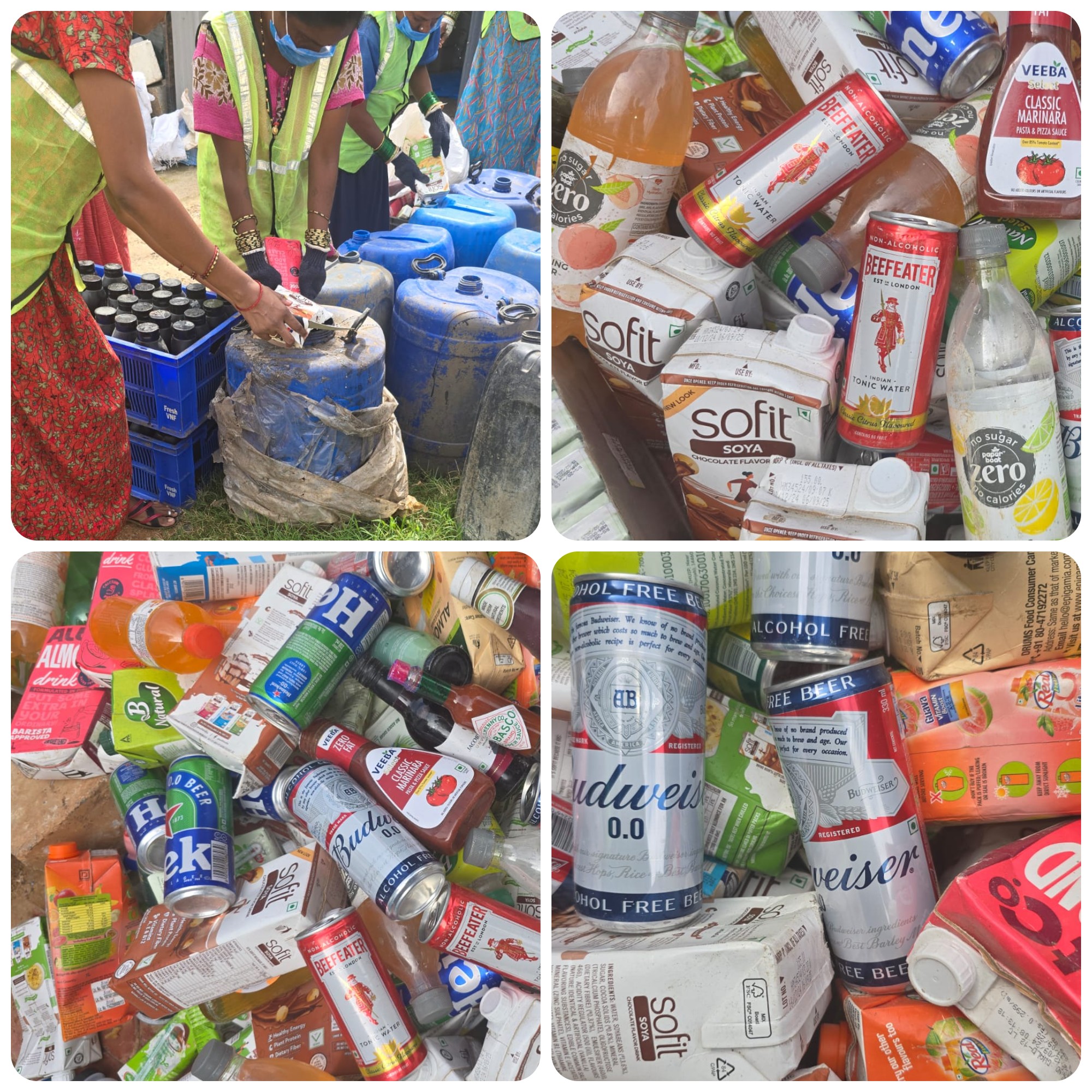
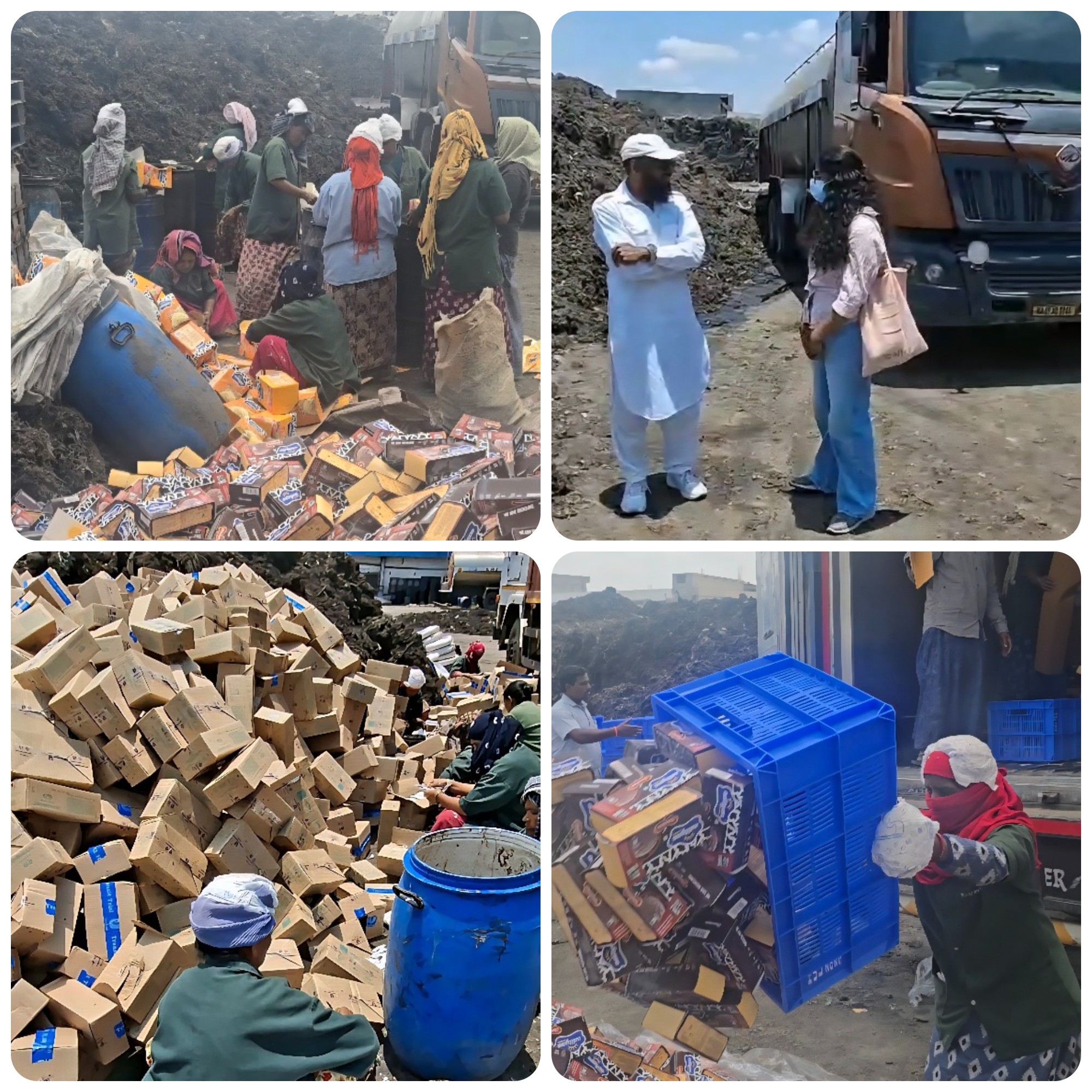
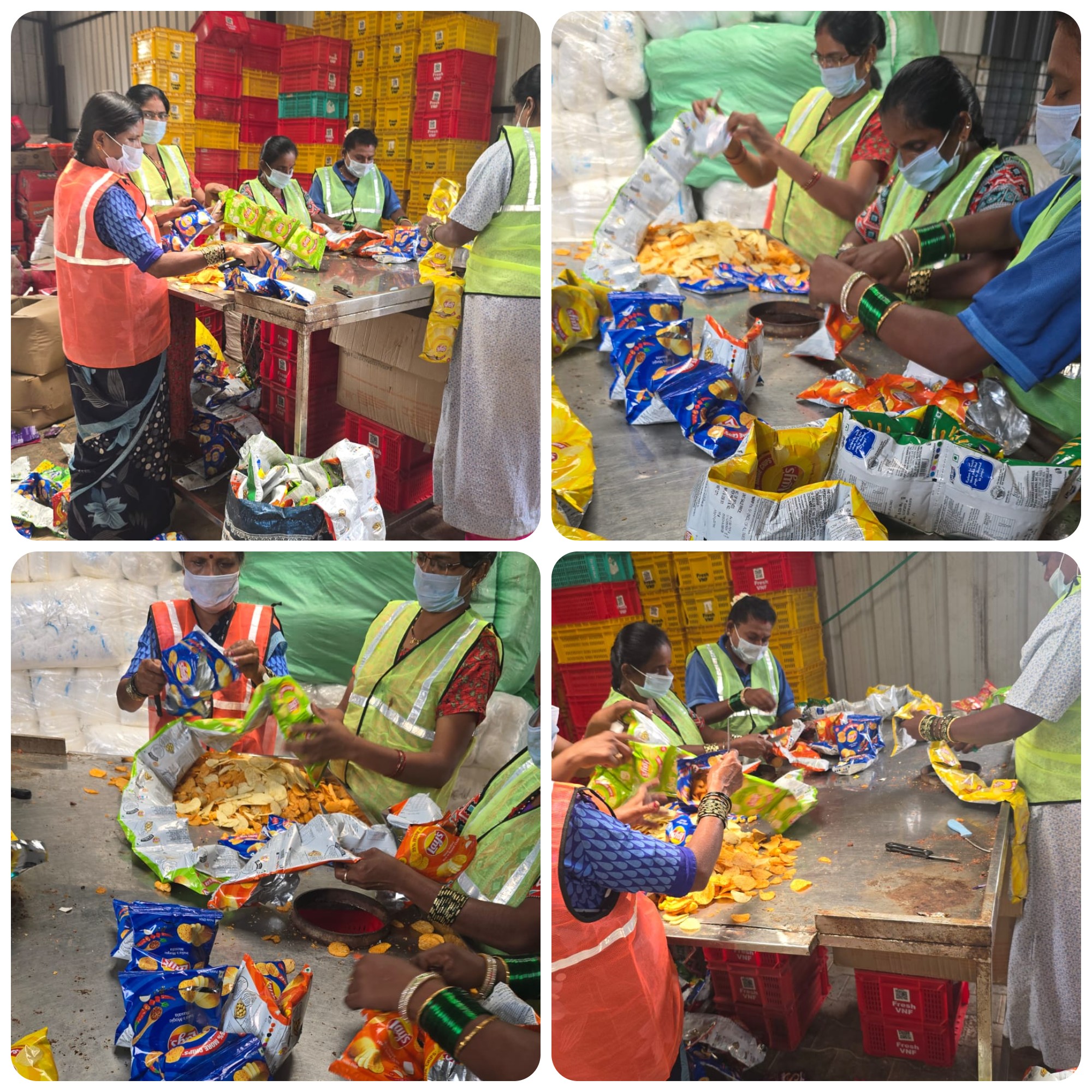
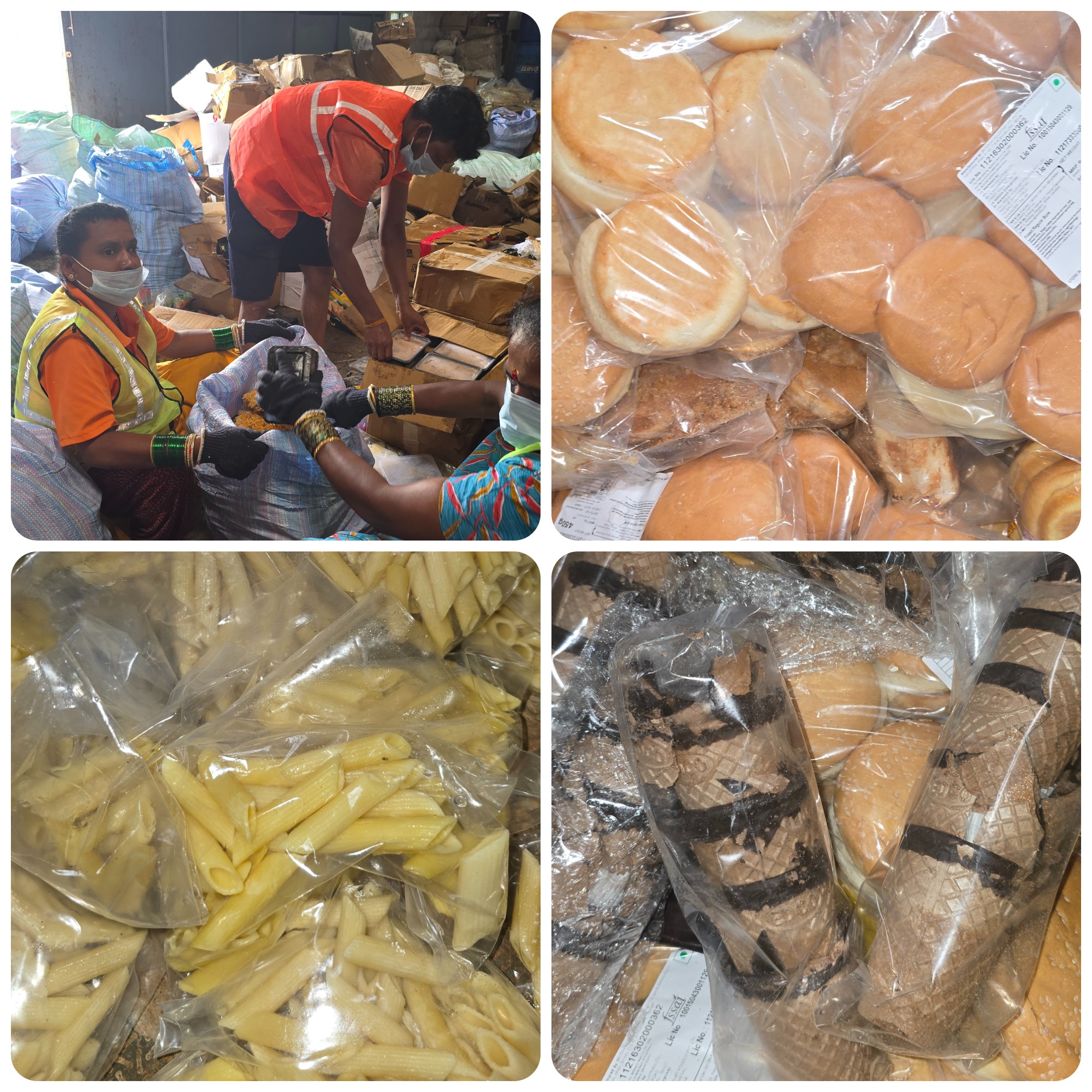
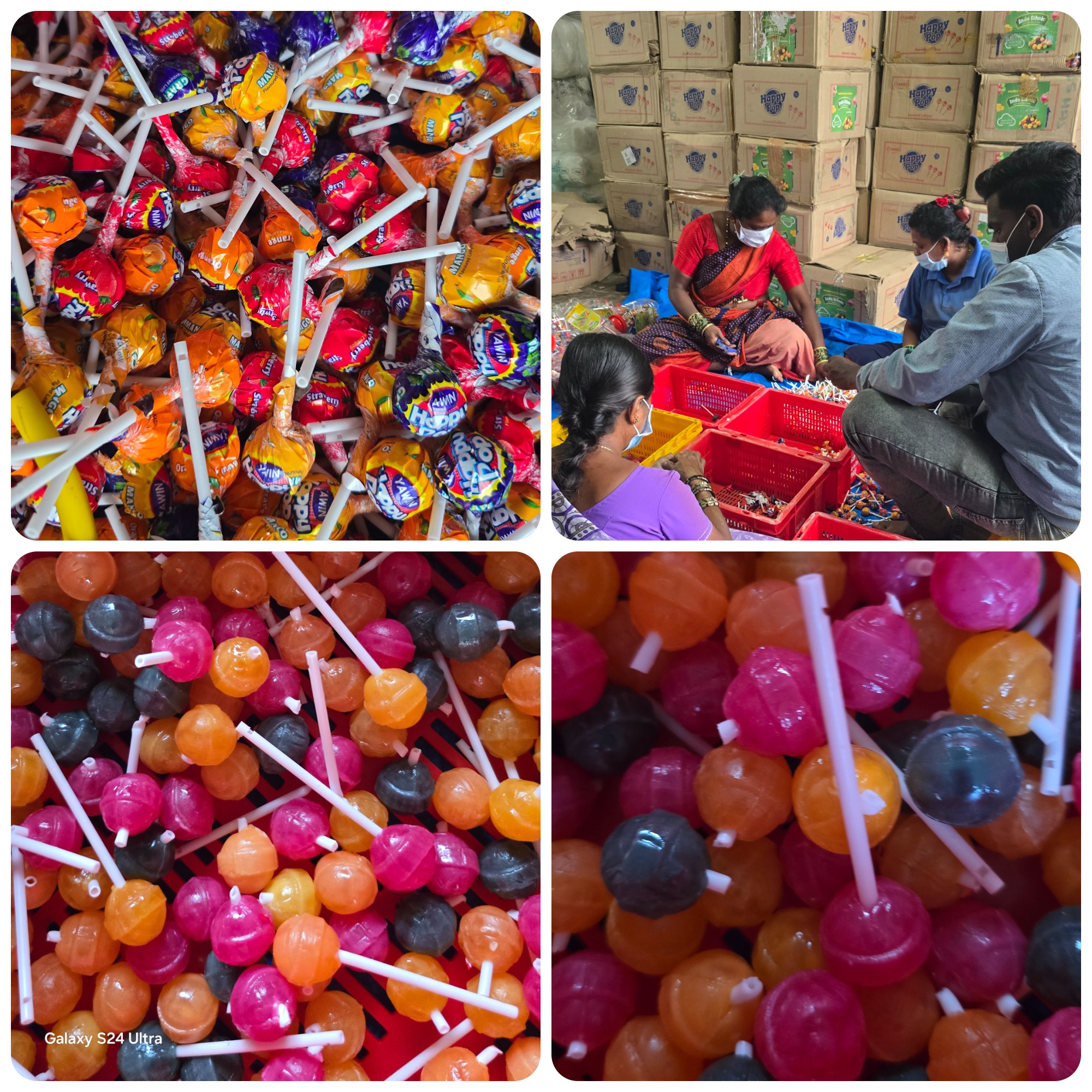
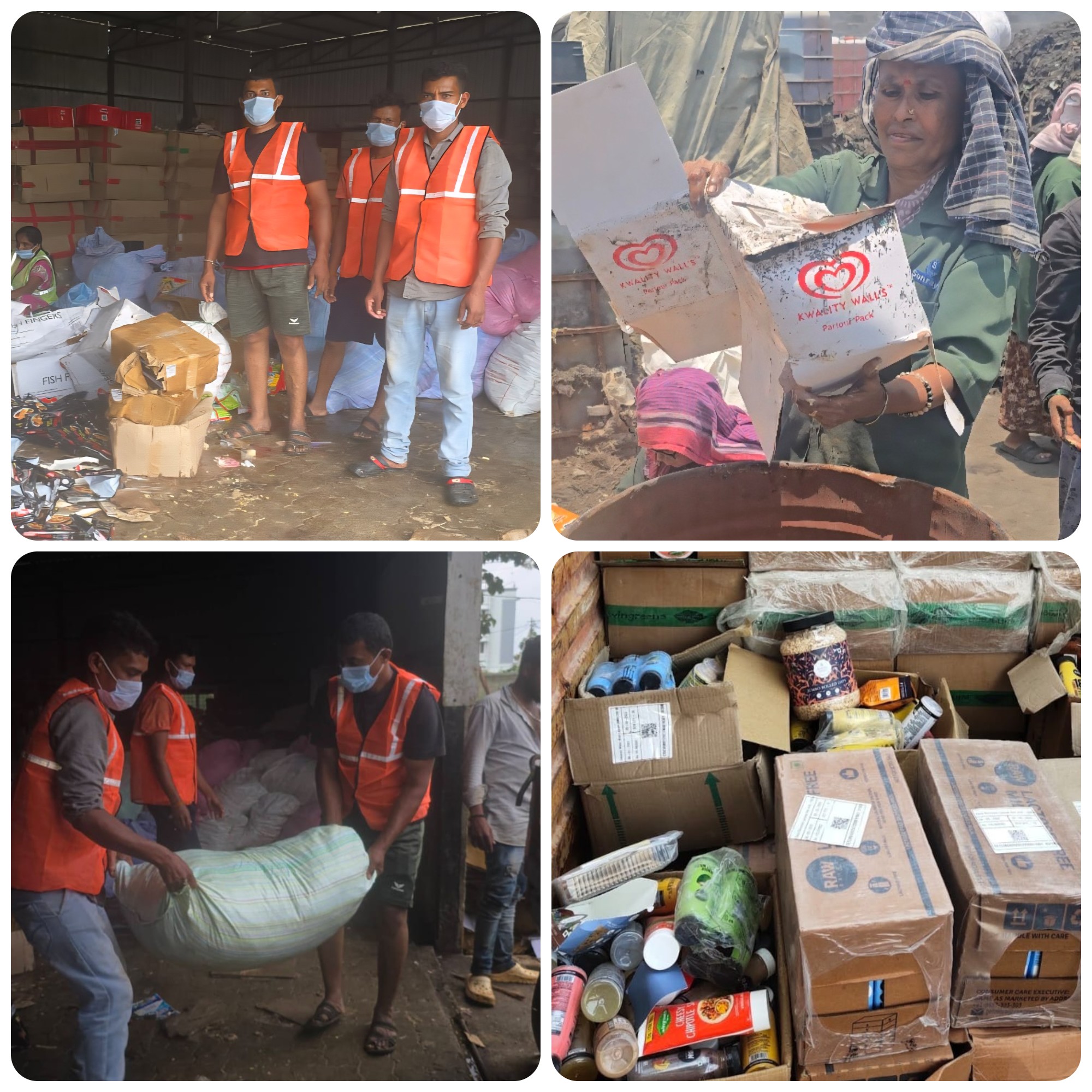
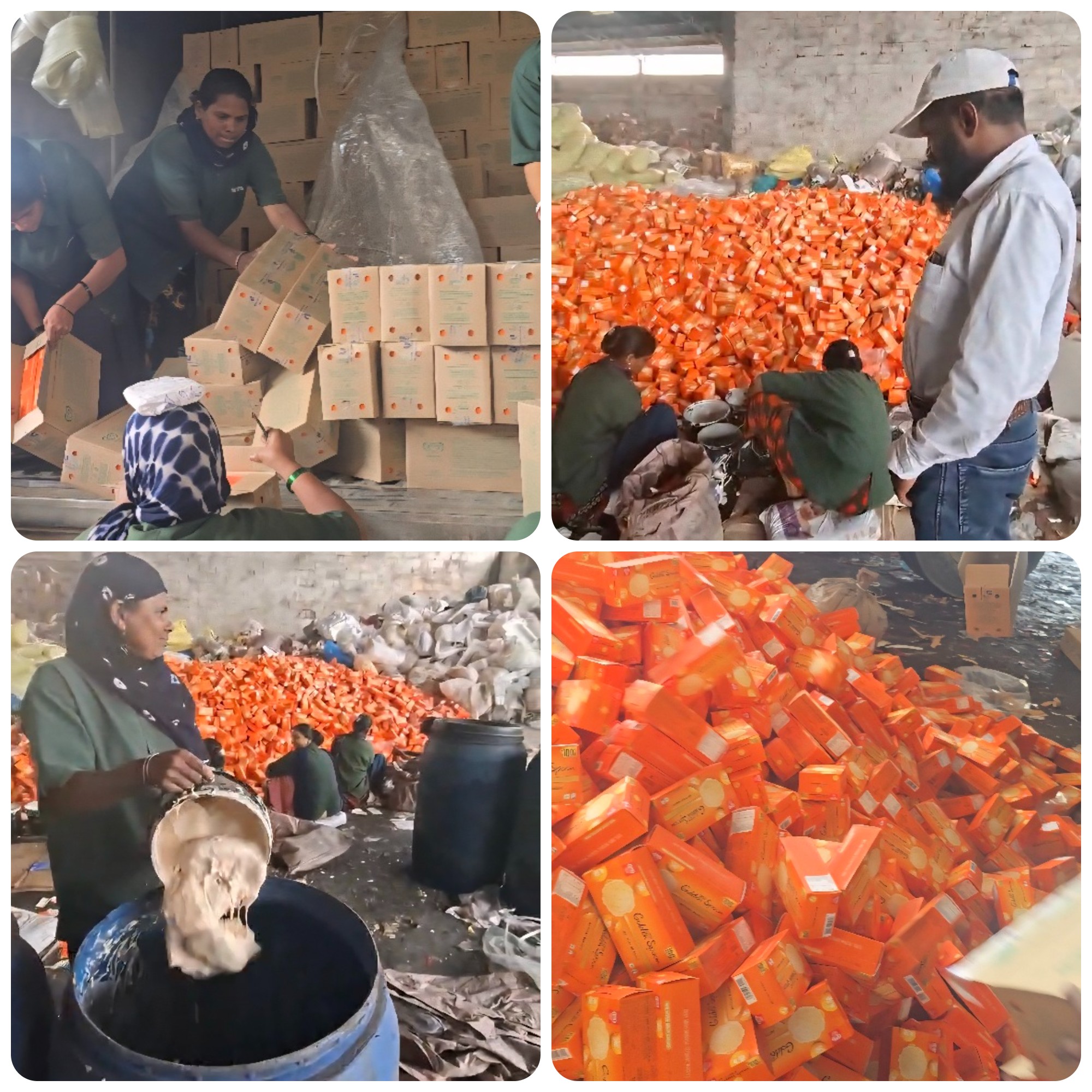
Waste Collection & Disposal : We handle all types of dry and wet waste, including warehouse-damaged food and expired FMCG products.
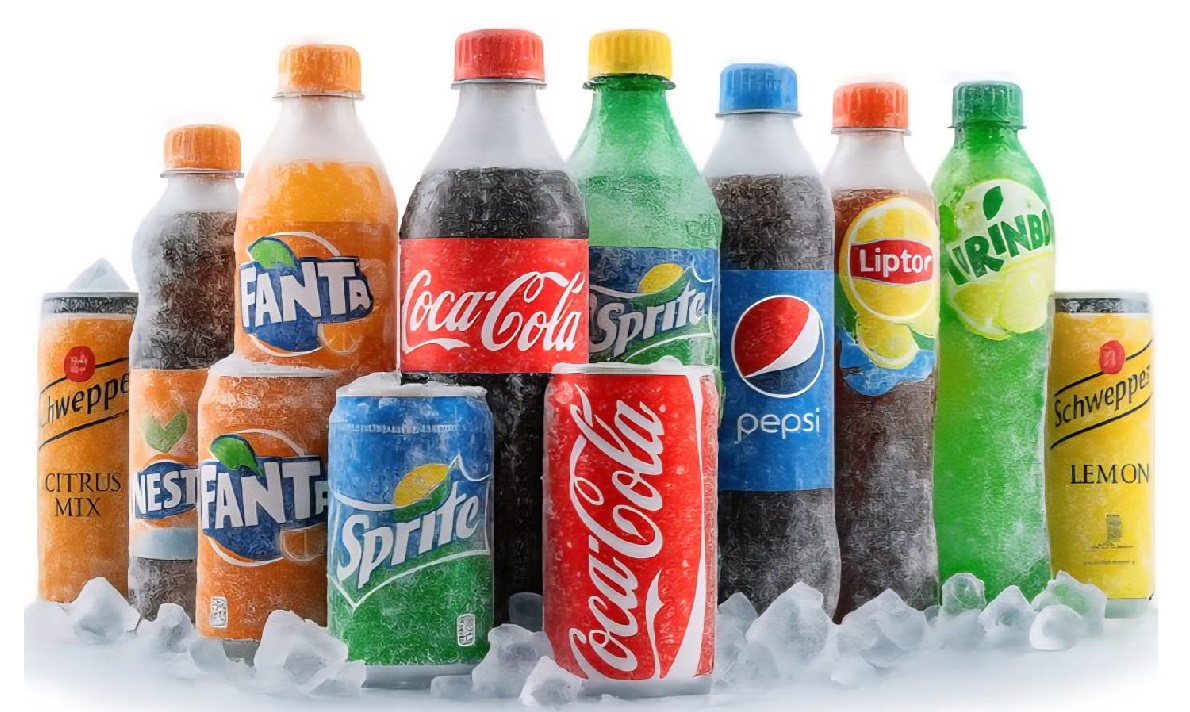
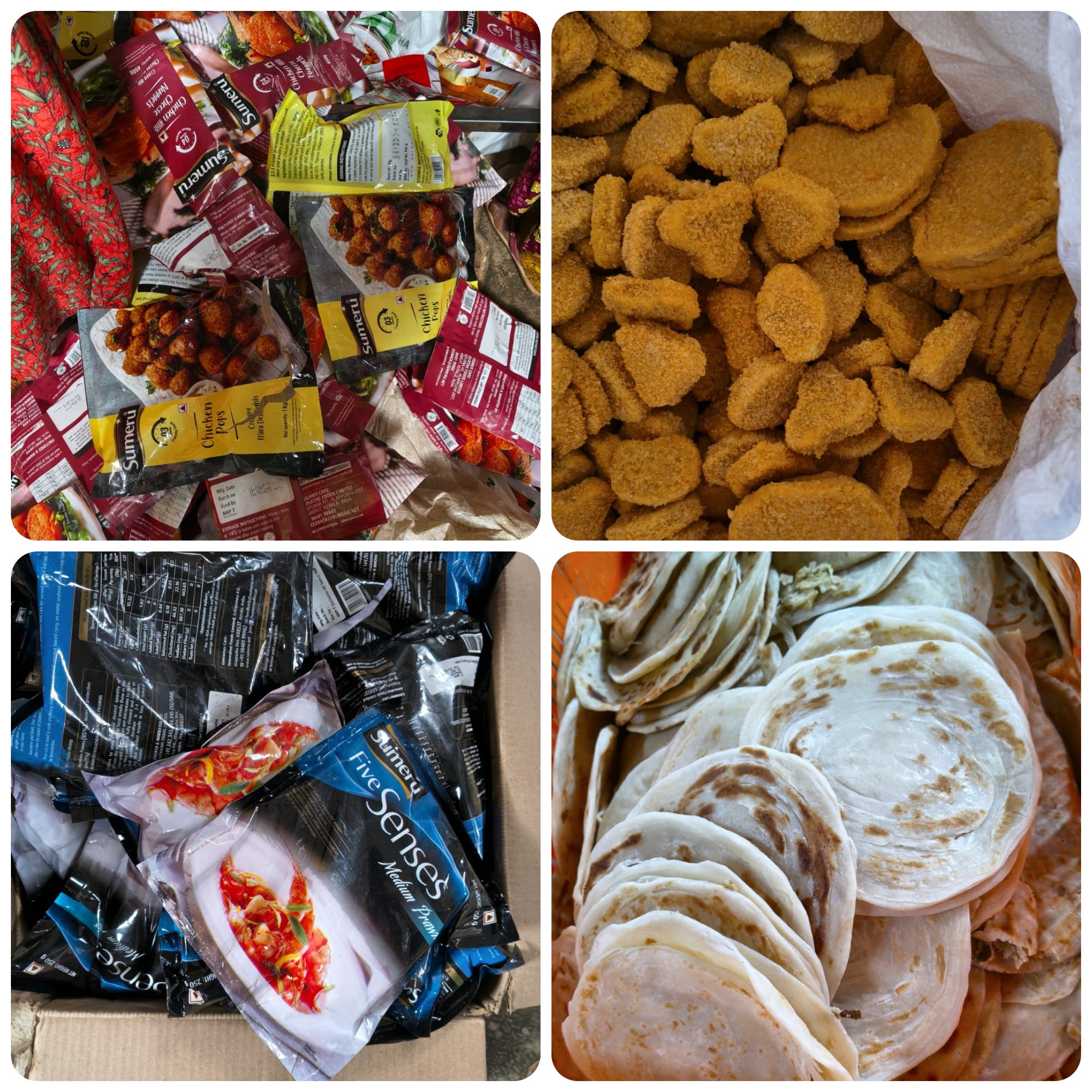
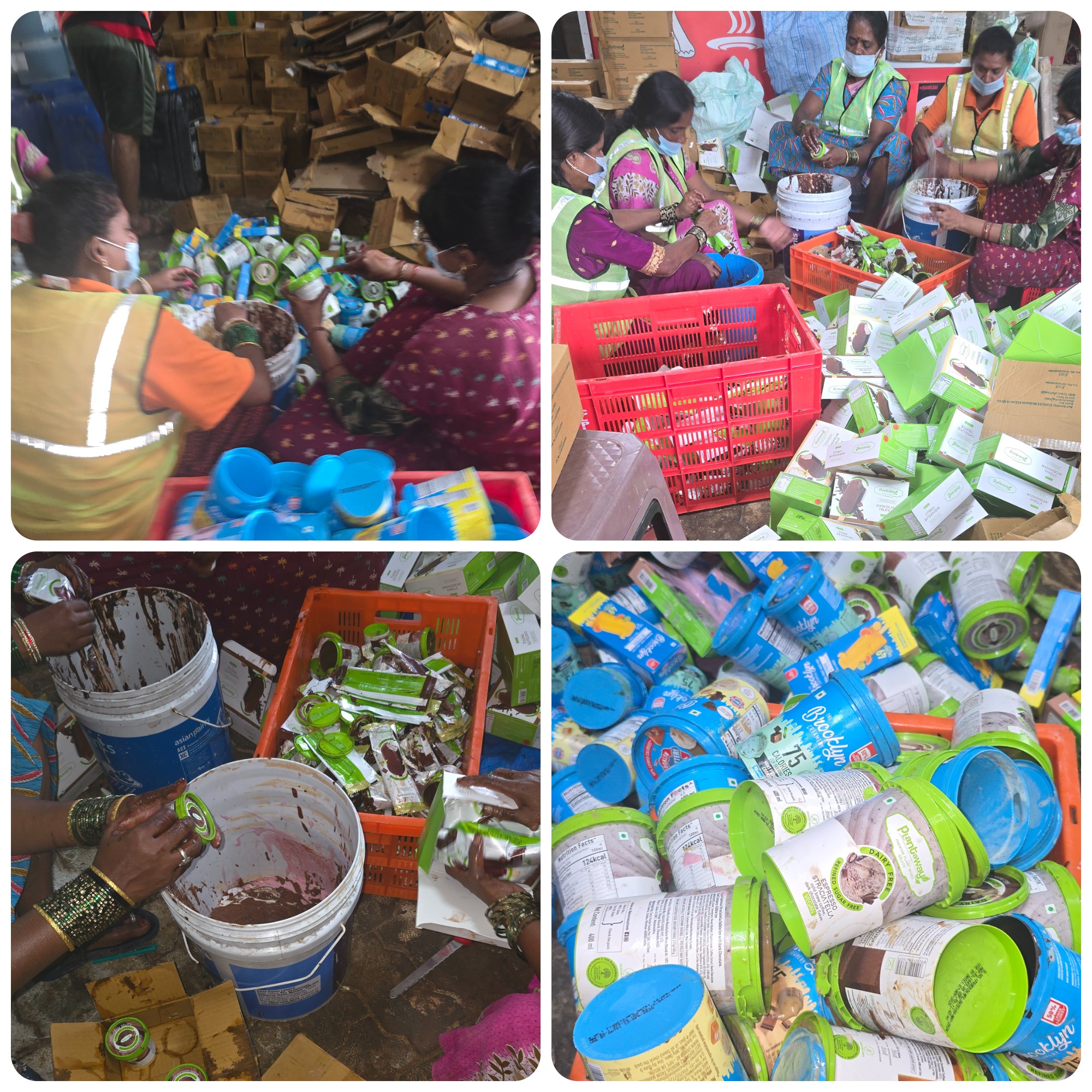
Expired Food Processing : We prepare used animal cattle feed from expired food products and process expired ice and beverages for biogas and composting.
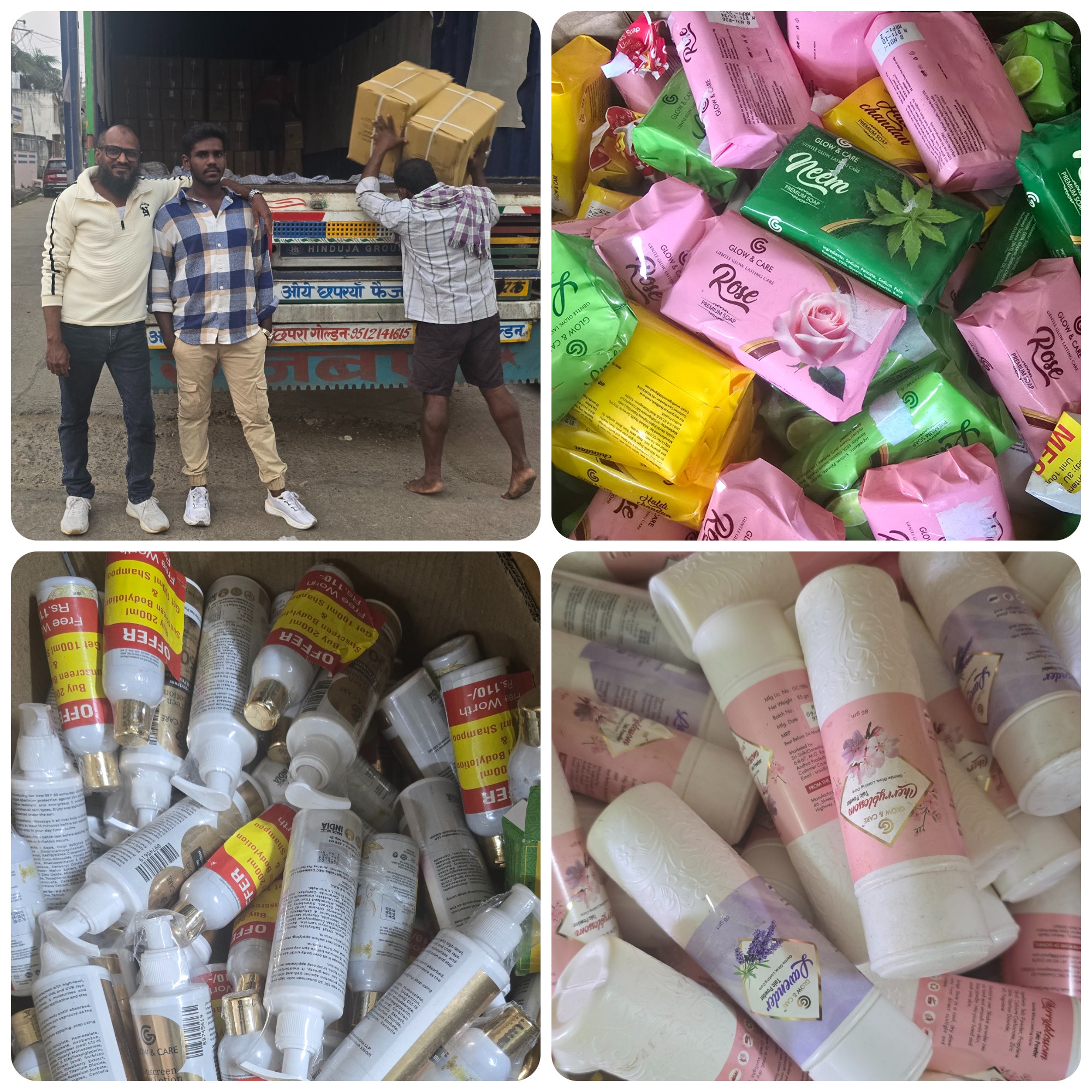
Incineration Services : Personal care products are disposed of responsibly through incineration.
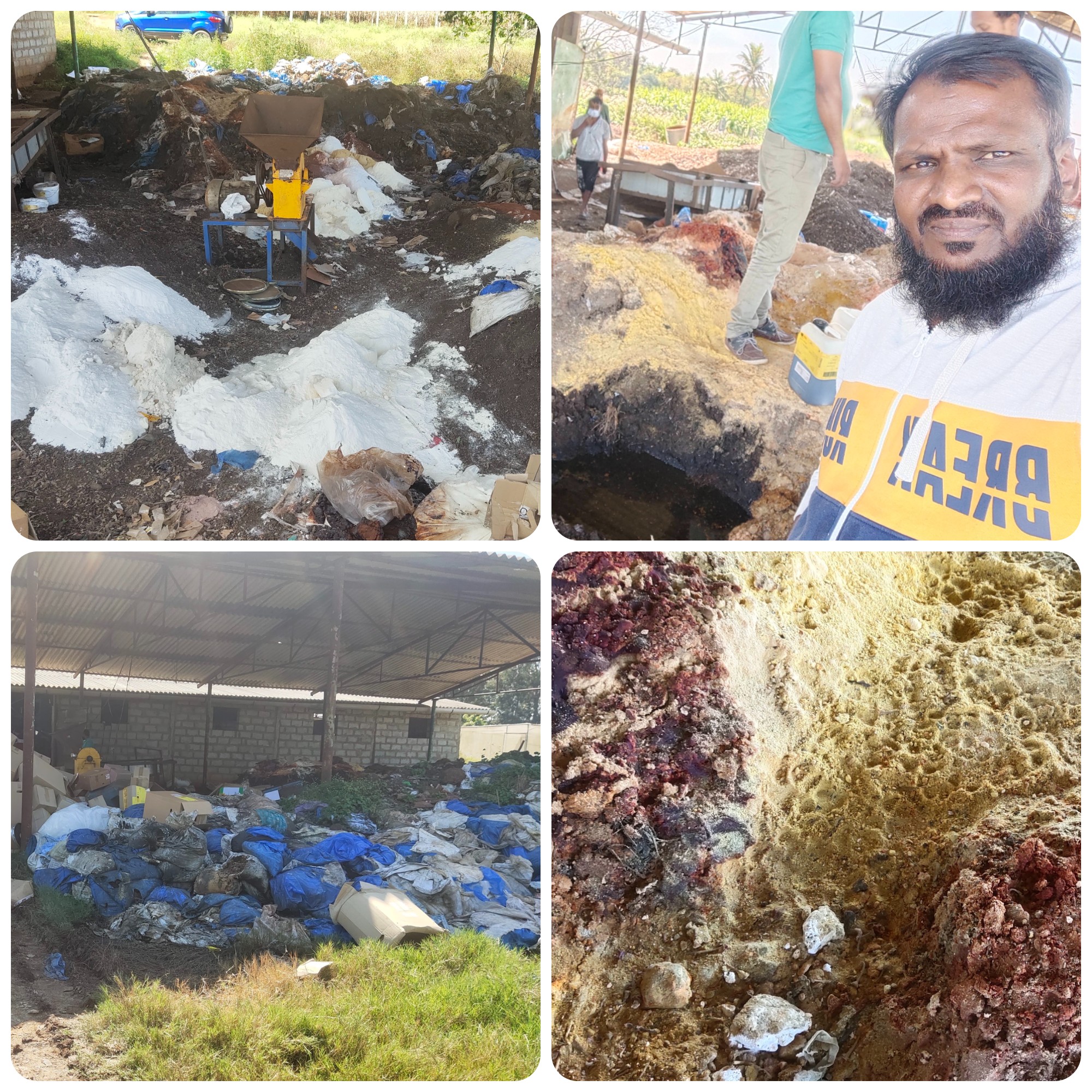
Composting Solutions : As an authorized partner with Sunrays Composts, Certified by KSPCB, we ensure that organic waste is transformed into valuable compost.
-
553
Scrap Projects
-
21
Years of Experience
-
1000
Satisfied Clients
What are Expired Food Removal and Safe Disposal Services?
Expired & Near Expiry Food and Non-Food Removal and Safe Disposal For Dry & Wet Waste, Food Materails , FMCG Products, Beverages Etc.
Key Components of the Expired Food Disposal Process
- Waste Collection Bins: Secure, leak-proof containers for safe food waste collection.
- Transportation Vehicles: Specially equipped trucks for the safe and hygienic transport of expired food.
- Treatment Facilities: Facilities process food waste at composting sites, anaerobic digesters, or waste-to-energy plants.
- Documentation and Record Keeping: Detailed records of waste collection, transport, and disposal for regulatory compliance.
- Sanitisation and Odour Control Systems: Equipment and techniques to minimise odours and maintain hygiene.
Types of Expired Food Disposal Methods
Types of Expired Food Disposal Methods
- Composting: Organic waste is converted into nutrient-rich compost.
- Anaerobic Digestion: Anaerobic digesters break down waste in the absence of oxygen to produce biogas and nutrient-rich fertiliser.
- Incineration: High-temperature combustion to reduce waste volume and generate energy.
- Landfill Disposal: Last-resort option for non-recyclable, non-compostable waste.
Who typically needs expired food removal and safe disposal services?
Businesses and facilities that handle large quantities of perishable food products or generate significant amounts of food waste typically need expired food removal and safe disposal services.
Typical Users of Expired Food Removal Services
- Supermarkets and Grocery Stores: Regularly remove unsold or expired perishable items.
- Food Manufacturers and Processors: Handle large volumes of raw ingredients and processed foods.
- Restaurants and Cafés: Generate significant food waste from meal preparation and spoilage.
- Fast Food Outlets: High-turnover operations that deal with bulk food orders.
- Catering Companies: Manage large quantities of prepared food for events and functions.
- Hotels and Resorts: Generate food waste from guest dining and event catering.
- Hospitals and Healthcare Facilities: Serve large volumes of meals to patients and staff.
- School and University Canteens: Produce substantial food waste from daily meal services.
- Food Distributors and Wholesalers: Handle large volumes of perishable goods.
- Event Venues and Conference Centres: Generate large amounts of leftover food from events.
- Pet Food Manufacturers: Often deal with expired or contaminated food products.
Why Expired Food Removal and Safe Disposal is Important
- Prevents Contamination: Reduces the risk of cross-contamination and foodborne illnesses.
- Complies with Regulations: Helps businesses meet local health and safety requirements.
- Controls Odours and Pests: Prevents foul odours and reduces the risk of pest infestations.
- Protects Brand Reputation: Proper disposal prevents negative publicity and reputational damage.
- Supports Sustainability: Diverts waste from landfills and supports circular economy initiatives.
The Expired Food Disposal Process
- Collection: Securely collecting expired or spoiled food from the source.
- Transportation: Safely transporting the waste to a licensed disposal facility.
- Processing: Converting food waste into compost, biogas, or energy, or safely disposing of non-recyclable waste.
- Documentation: Maintaining accurate records for regulatory compliance.
- Sanitisation: Cleaning and sanitising collection containers to prevent contamination.